 Reviews



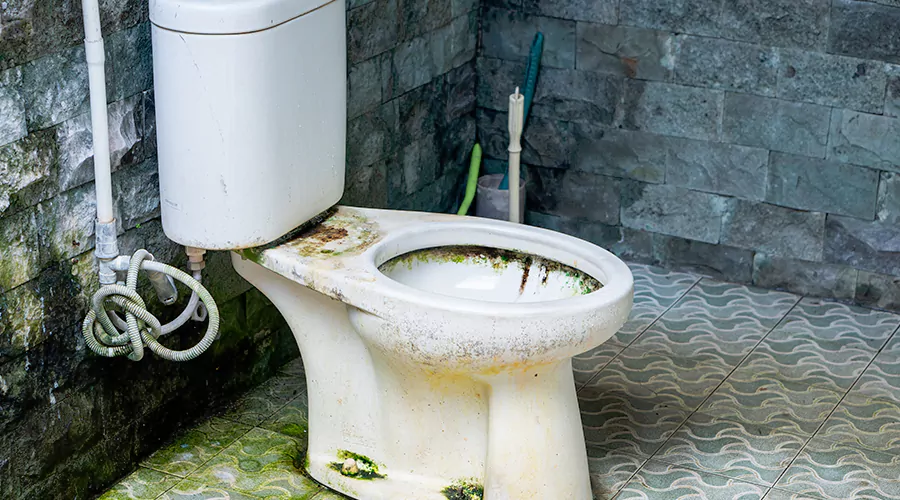
A toilet overflow most often starts when a clog prevents a normal flush from draining, and a 2026 clogged-toilet repair can cost $85 to $600 before any water-damage cleanup is added. Stop the water first because every extra gallon raises the chance of contaminated water reaching the floor.
A toilet overflow is a symptom rather than one single failure. The cause can sit inside the fixture or farther down the drainage system.
The timing of the overflow gives an important clue. A bowl that rises immediately after flushing suggests something different from a toilet that backs up when another fixture drains.
Why Does a Toilet Overflow After You Flush?
A post-flush overflow normally means water entered the bowl faster than the drain could carry it away. Excess paper or another obstruction can restrict the trapway. Another flush then adds more water without creating enough room for the previous water to leave.
- The first cause to consider is a clog.
- Toilet paper can compact in the trap.
- Wipes can remain intact and catch additional material.
- A small solid object can reduce the usable opening.
- A deeper drain restriction can create the same visible result.
- A tank problem is less common when the bowl overflows only after a normal flush.
How Quickly Can an Overflow Become More Serious?
An overflowing toilet can move from a fixture problem to a cleanup problem within one failed flush. The amount of damage depends on how much water escapes and how long it remains on flooring or nearby building materials.
| Stage | What Happens | Immediate Concern | 2026 Cost Exposure |
|---|---|---|---|
| Restricted | Bowl rises after flushing | Stop adding water | Often DIY |
| Overflow | Water crosses the rim | Floor contamination | $85 to $600 for toilet clog |
| Repeated overflow | More water reaches flooring | Material damage | Repair plus cleanup |
| Sewer backup | Wastewater enters multiple fixtures | Wider contamination | Can exceed toilet-only repair |
Current pricing places clogged toilet repair around $85 to $600. Emergency plumbing can cost much more because 2026 emergency rates may reach $100 to $500 per hour.
The cheapest action during an active overflow is usually stopping the water immediately.
What Should You Do While the Toilet Is Overflowing?
Stop the incoming water before diagnosing the cause. Turn the shutoff valve near the toilet clockwise if it operates normally. You can also remove the tank lid and hold the flapper closed to stop tank water from entering the bowl.
- Do not flush again.
- Keep people away from the wet floor.
- Wear gloves before handling contaminated water.
- Remove standing water as soon as it can be done safely.
Clean visible soil before applying a disinfectant. The CDC recommends cleaning dirty surfaces first because soil can reduce the effectiveness of later disinfection. Never mix cleaning chemicals.
Once the area is under control, start identifying why the bowl could not drain.
What Warning Signs Reveal the Cause of an Overflow?
Overflow timing and nearby drain behavior can narrow the cause quickly. A toilet that overflows immediately after its own flush often has a local blockage. A toilet that reacts to other fixtures suggests pressure or wastewater movement farther down the drainage system.
- The bowl rises only after its own flush. A local trap obstruction is likely.
- The toilet drains slowly between overflows. A partial blockage remains.
- The toilet overflows without being flushed. Wastewater may be coming from farther downstream.
- The bathtub fills when the toilet backs up. A shared drain may be restricted.
- Several fixtures gurgle. Air movement inside the drain network has changed.
- A wipe or solid object was recently flushed. The cause may sit in the trapway.
- The tank continues running. An internal valve may not be shutting off correctly.
- Water appears around the base instead of the rim. A seal or connection problem may be involved.
- The lowest toilet backs up first. A deeper drainage problem becomes more likely.
- The overflow repeats after plunging. The obstruction may not have been fully removed.
A toilet that backs up together with showers or other drains deserves more attention than an isolated one-time overflow.
Is the Toilet Overflow Pipe Causing the Bowl to Overflow?
The toilet overflow pipe inside the tank is designed to control excess tank water rather than drain waste from the bowl. When tank water rises too high, the overflow tube routes water into the bowl. A faulty fill valve can therefore create continuous water movement.
This situation looks different from a clogged bowl.
- Remove the tank lid while the toilet is stable.
- Watch whether the fill valve stops at the normal water level.
- Water should not continually pour into the overflow tube.
If the tank keeps filling after it reaches its expected level, the fill system deserves inspection.
A bowl that rises dramatically only when flushed still points more strongly toward drainage restriction.
How Can You Identify a Simple Clog After an Overflow?
Once the water has stopped and the bowl level has dropped, observe whether the toilet drains at all. A partial clog allows slow movement. A complete obstruction leaves the water nearly stationary. Avoid performing a full test flush while the condition remains uncertain.
- A flange plunger is appropriate for a soft isolated blockage.
- Maintain a seal over the outlet.
- Use controlled strokes rather than violent splashing.
- Watch for the bowl level to drop.
- Do not assume one drop means the passage is completely clear.
A toilet auger can reach material deeper inside the trap when plunging fails.
If another fixture begins reacting during testing, stop treating the problem as a simple bowl clog.
When Should You Call a Professional?
Professional help is appropriate when an overflow involves multiple fixtures, a toilet auger cannot clear the restriction or sewage returns without anyone flushing. Those conditions can indicate a branch-drain or sewer problem that extends beyond the toilet itself.
A standard toilet repair averages about $271 in 2026. Emergency work can carry hourly rates of roughly $100 to $500 depending on timing and location.
Get professional diagnosis when:
- The overflow returns after clearing.
- More than one drain backs up.
- The toilet fills when another fixture drains.
- A hard object remains trapped.
- Sewage enters a shower or tub.
- Water damage extends into flooring or walls.
The professional-help threshold should be lower when wastewater is spreading outside the bathroom fixture because cleanup becomes a separate concern.
How Can You Prevent Another Toilet Overflow?
Most preventable overflows begin with material that should never enter the toilet. Municipal wastewater guidance is direct. Human waste and toilet paper belong in toilets while wipes and stronger disposable products belong in the trash.
- Keep a wastebasket within reach.
- Avoid flushing paper towels.
- Treat a slow drain as an early warning.
- Do not use repeated flushing as a clog test.
- Check the shutoff valve occasionally so you know where it is before an emergency.
- Address weak flushing before waste begins collecting in the trapway.
Prevention takes minutes compared with cleaning contaminated water from a bathroom floor.
Conclusion
A toilet overflow usually begins because water cannot leave the bowl fast enough. Stop the incoming water before attempting any fix. Then determine whether the problem is an isolated clog or part of a wider drainage failure. Multiple affected fixtures are the strongest reason to investigate deeper piping. This week, locate your toilet shutoff valve and confirm every adult in the home knows where it is.
Frequently Asked Questions
These answers address overflow situations that are easy to confuse with an ordinary toilet clog. They focus on what the timing and location of the water can tell you.
Why did my toilet overflow once and then work normally?
A soft obstruction may have shifted during the overflow. Watch the next few flushes because part of the restriction can remain.
Can a toilet overflow from too much toilet paper?
Yes. A large paper load can restrict the trapway before enough water escapes.
Why does my toilet overflow when the washing machine drains?
That pattern can indicate a restriction in piping shared by more than one fixture. It is different from an isolated toilet clog.
Can a septic problem cause a toilet to back up?
Yes. A full or malfunctioning septic system can affect drainage inside the home and cause wastewater to return through low fixtures.
Should an overflowed bathroom floor be disinfected?
Contaminated surfaces should first be cleaned. Follow the disinfectant label afterward and never mix cleaning chemicals.